Clean the blocks
Treat suitable dirt, weathering and organic contamination with a method chosen for the paving.
Southampton · Bournemouth · Hampshire · Nearby Dorset
Dirt, weathering, moss, algae, organic growth and established black spotting or lichen can all affect block paving. We assess the blocks, joint condition and previous treatments before choosing suitable cleaning, then re-sand where required and consider sealing only where worthwhile.
Cleaning
From £4.50/m²
Minimum charge
£150
Choose Block paving in the existing Exterior Care estimator.
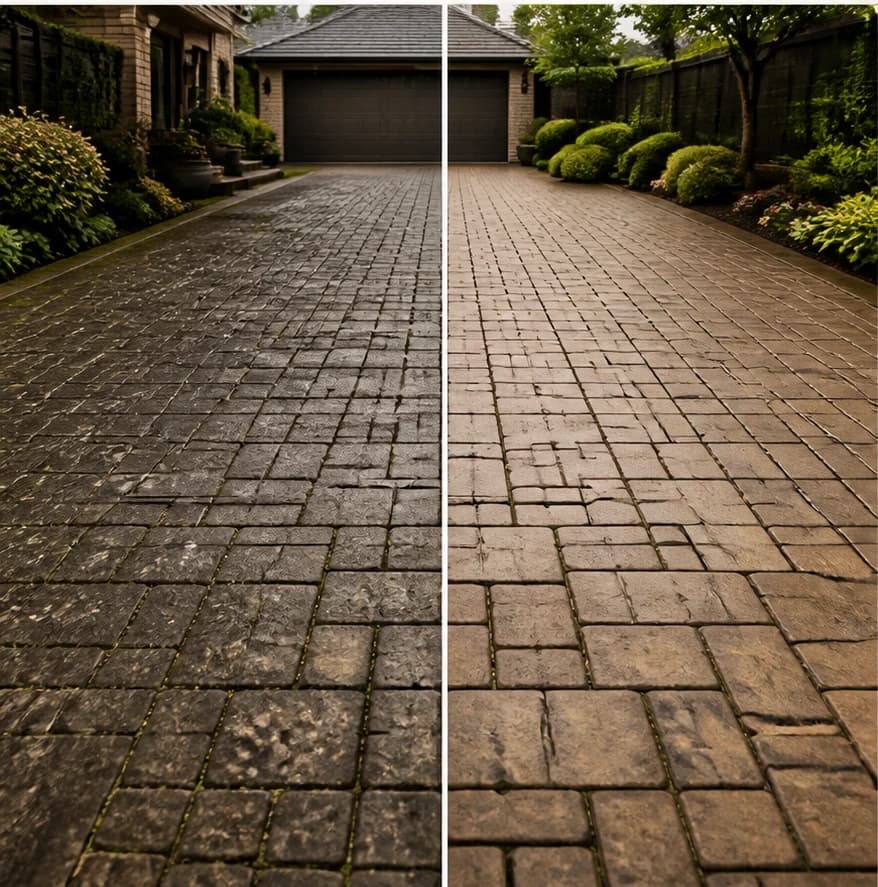
Block assessment · Joint condition · Controlled cleaning · Appropriate aftercare
Treat suitable dirt, weathering and organic contamination with a method chosen for the paving.
Check existing joint condition before and after cleaning rather than treating the surface as one solid slab.
Re-sanding and optional sealing are recommended only where condition, drying and suitability support them.
Common contamination
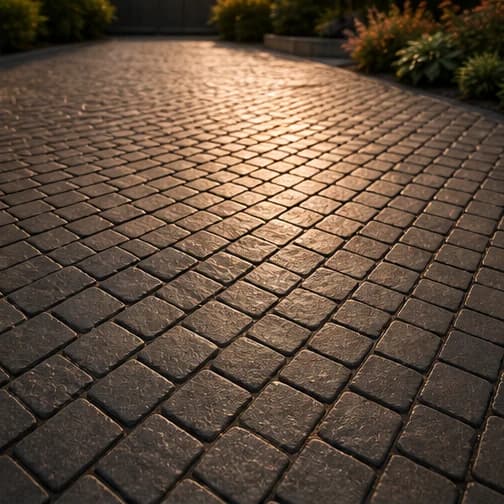
Traffic, airborne dirt and repeated weather exposure can leave the blocks dull and uneven-looking.
Suitable green growth and slippery biological build-up can be treated according to the surface and severity.
Established biological marking may need targeted treatment and can improve without disappearing completely.
Visible weeds and organic growth around joints can be addressed, but roots, seeds and future regrowth cannot be ruled out.
Oil, rust and other absorbed marks are assessed individually. Historic or deep staining cannot be guaranteed to disappear completely.
Why the joints matter
Jointing sand helps the individual blocks work together as a system, so joint condition is assessed alongside the visible surface.
Cleaning may expose joints that were already depleted or remove loose material near the surface. Correct professional cleaning is not inherently damaging; it shows where the paving needs appropriate aftercare.
Re-sanding is determined by actual joint condition once the paving has dried sufficiently—not added automatically to every job.
The method
We review block movement, jointing sand, runoff and previous coatings or treatments.
Moss, algae, lichen and other organic contamination receive a targeted treatment when useful.
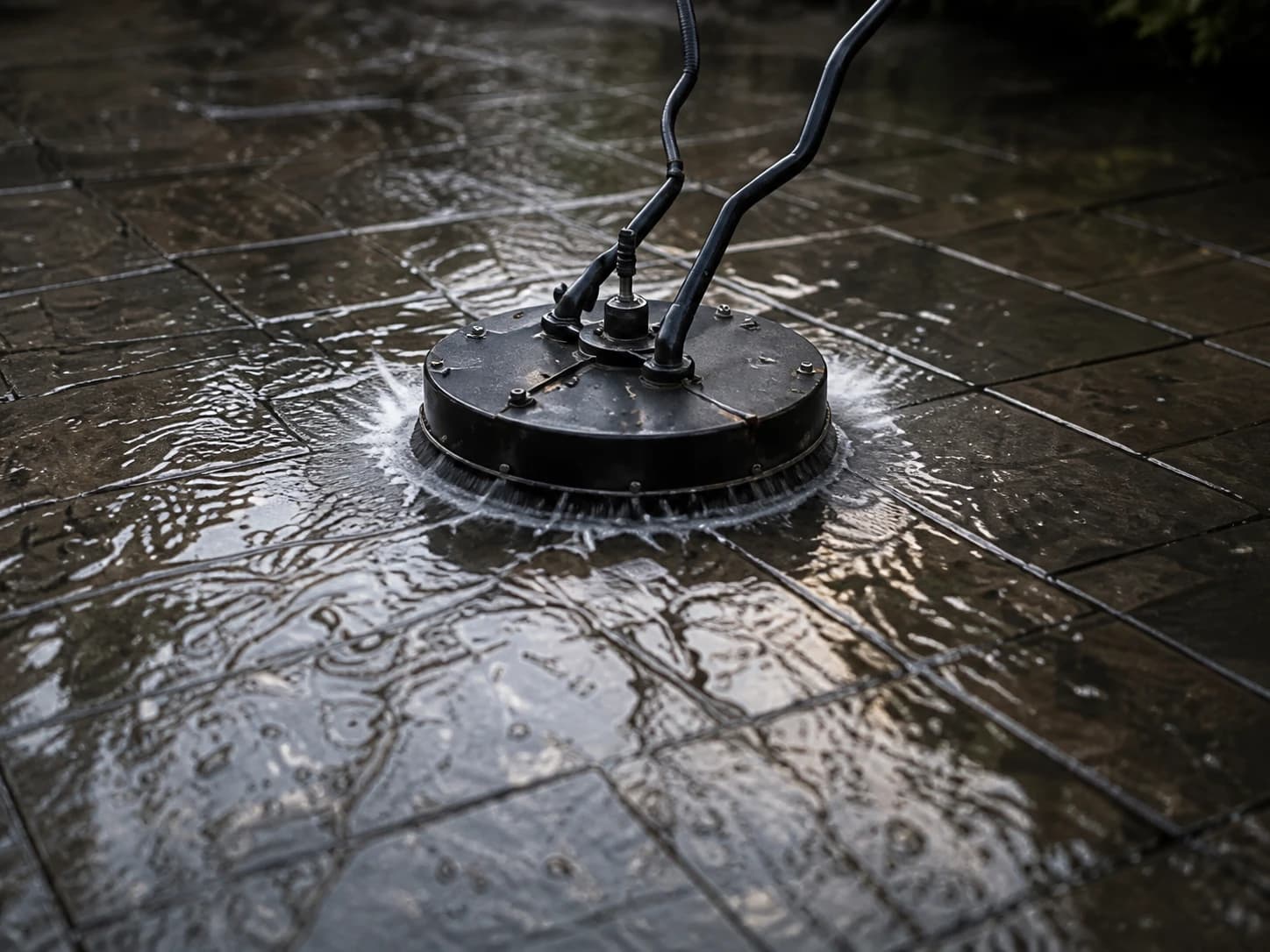
Pressure, flow, equipment and working pattern are chosen for the paving—not set to a universal maximum.
Edges and accessible surrounding areas are managed carefully as the surface is rinsed and checked.
Drying depends on weather, shade, drainage and the surface; there is no universal waiting time.
Suitable jointing sand is replenished when joint levels show the paving needs it and conditions allow.
Sealing is considered only after reviewing material, moisture, previous treatments, weather and desired finish.
Block paving re-sanding
From +£2/m² where appropriate
Jointing sand helps fill the gaps between individual blocks. Existing sand can be low before cleaning begins, while loose material can be exposed as contamination is removed.
The blocks and joints must dry sufficiently before suitable kiln-dried jointing sand can be worked into the gaps. The required wait depends on real weather, shade, drainage and moisture conditions rather than a fixed promise.
Black Haven recommends re-sanding only when the joints need it; it is not automatically upsold with every clean.
Optional block paving sealing
From +£7/m² where suitable
Sealing is optional and not always required. Block condition, existing or previous coatings, moisture, drying, weather and the desired finish all affect whether it is sensible. We recommend it only when it offers a worthwhile result.
Older or previously sealed paving may need closer review before any further coating is considered.
Transparent guide pricing
Choose Block paving and add approximate measurements, visible condition and any treatment you are considering. Photographs help Black Haven review the scope before work is agreed.
These are guide rates from the same pricing authority used by the Exterior Care estimator. Final scope depends on measurements, condition and suitability.
Practical expectations
Reasonable access and enough working room are needed for professional exterior-cleaning equipment.
An exterior water supply may be required, while drainage and runoff routes are assessed before the method is confirmed.
Vehicles, pots, furniture and delicate items may need moving so the agreed area can be worked safely and methodically.
Rain, temperature, shade and surface moisture can affect cleaning, drying, re-sanding and any suitable sealing stage.
Accessible surrounding surfaces affected by the work are checked and the agreed working area is left orderly.
The blocks, joints and agreed finish are reviewed before the completed work is handed back.
Before booking
Black Haven block paving cleaning starts from £4.50 per square metre, subject to the £150 minimum job charge. Final guide pricing depends on area, condition and whether appropriate re-sanding or optional sealing is selected.
Not automatically. Cleaning can expose already depleted joints or remove loose material, so we assess the actual sand level and recommend re-sanding where it is appropriate rather than adding it as a routine upsell.
The paving and joints need to dry sufficiently first. Weather, shade, drainage, temperature and surface condition all affect this, so there is no universal fixed drying time.
Block paving pressure washing may form part of the process where suitable, but pressure, flow, equipment and treatment are adjusted to the blocks, joints and condition rather than using maximum pressure as the method.
Suitable moss, algae and biological growth can be treated and cleaned. Established contamination may need targeted treatment as well as controlled cleaning.
Visible weeds and suitable organic growth around joints can be addressed during preparation and cleaning. Seeds and roots can remain nearby, so permanent prevention or zero future regrowth cannot be promised.
Oil and other localised stains can be treated where suitable, but deeply absorbed or historic marks may improve without disappearing completely.
Not always. Block paving sealing is optional, and suitability depends on block condition, previous coatings, moisture, weather and the finish you want. We recommend it only where it is worthwhile.
Potentially, but previous coatings, age, wear, movement, repairs and joint condition must be assessed first. These factors can change the cleaning method and whether any new sealer is suitable.
Start with the blocks and joints
Build a guide estimate from the area, visible condition and treatment you are considering. Black Haven reviews the job before the final scope is agreed.